
This can result in a vicious cycle of tension, where the concern of the scenario itself becomes more debilitating than the scenario itself. Avoidance can manifest in varied types, corresponding to procrastination, distraction, denial, and even substance abuse. These strategies may provide momentary reduction, however they ultimately forestall us from addressing the basis causes of our distress.
Childhood experiences play an important position in shaping our attachment styles. Imagine a younger baby whose emotional needs are consistently missed or dismissed. Over time, they learn that counting on others for comfort or help is futile. As a outcome, they develop a fierce sense of independence and emotional self-reliance. It’s a survival strategy that served them nicely in childhood however can wreak havoc in grownup relationships. I learned how, because of the trauma folks have experienced, they turn out to be stuck in a cycle of avoidance.
Therapy or counseling can provide a protected house to explore your fears and study new ways of relating. It’s like having a talented information that will help you navigate the treacherous terrain of your emotional landscape. Assertive people may seem outright aggressive in their willingness and/or want to resolve issues immediately; they could understand much less assertive or shy individuals as avoidant. A one who indicates that they aren’t but ready to talk about an issue or their feelings may be perceived as avoidant, when in their own thoughts they’re simply taking time to suppose and course of. An important question to ask about avoidant behavior is, What is the danger that the individual is attempting to keep away from by sidestepping this subject or concern? That helps us get to the core of the issue and create a protected area during which feelings can be discussed brazenly and honestly.
I know you’ve in all probability tried having heartfelt conversations, reading self-help books, or even looking for recommendation on-line, solely to feel like you’re working in circles. As with everything, it’s essential to discover out what’s really happening. A student won’t perceive the project and is embarrassed to ask for assist so they’re trying to get out of it. Another student might be scared to learn aloud in front of the category and conveniently ask to go to the bathroom each time it’s nearly her turn. Another pupil might need restricted retailers to maneuver their physique and gets so stressed during classes they’ll do anything to rise up and stroll round.
This is definitely the principle thought behind really effective therapies like Exposure and Response Prevention (ERP) remedy, which could be brilliant for tackling avoidance. From an avoidance psychology viewpoint, avoidance behaviour is very often tied up with anxiety and worry 5, 6. When we get a sense that a scenario or an internal experience (like a tough memory or a strong feeling) is going to trigger misery, our brain’s inside “threat alarm” can go off. Avoidance then becomes the go-to for managing that expected fear or anxiety. Avoidance isn’t a sign of weak point, stupidity, or lack of commitment. It is an indication of understandable anxiety that the majority of us expertise at one time or another after we understand that the stakes are high.
Without a face-to-face dialogue, these strategies of communication can typically leave us feeling like there’s nonetheless room for negotiation. Unfortunately, individuals with avoidant attachment styles do use them to disengage, and it’s in all probability greatest to take them at face worth. If your companion is not disengaging but just deactivating, they could pull away with out going so far as to do something like this to speak that they want to finish the relationship.
You can start with one thing much less intimidating, however nonetheless nagging, like a invoice you’ve been laying aside or an appointment you’ve been meaning to make. While avoiding something can relieve your immediate anxiousness, it has unhelpful long-term penalties. You’re not alone if you’ve found your self dodging certain emotions or skipping hard subjects in therapy.
As we wrap up our journey by way of the land of avoidance behavior, let’s take a moment to recap what we’ve discovered. We’ve explored the sneaky ways avoidance can manifest in our lives, from cognitive gymnastics to full-on hermit mode. We’ve uncovered the foundation causes, from our genes to our upbringing, and we’ve faced the tough actuality of how continual avoidance can impression our mental well being, relationships, and private development. In psychological terms, avoidant behavior is like your brain’s means of hitting the “nope” button. It’s a coping mechanism the place we actively attempt to escape or prevent publicity to certain ideas, emotions, or situations that make us uncomfortable. Think of it as your mind’s private bouncer, keeping out something which may trigger anxiousness, stress, or discomfort.
Regular exercise has been shown to reduce back nervousness and enhance mood, making it easier to face challenging conditions. Stressful conditions usually serve as main triggers for avoidance behaviors. Public speaking engagements, job interviews, and social gatherings regularly induce anxiousness. Uncomfortable emotions like worry, shame, or guilt can also prompt avoidance.
Try to be sincere with yourself about these attachment patterns. Instead of running from uncomfortable emotions, follow sitting with them. Mindfulness, meditation, and journaling can help you turn into extra comfortable with discomfort. “Perfectionism and overpreparation for lessons or work may additionally be a form of protective avoidance.
Avoiding issues that trigger difficult recollections is doubtless certainly one of the most essential and customary forms of avoidance coping. Avoidance coping creates stress and anxiousness, and ravages self-confidence. It’s is a serious factor that differentiates people who have frequent psychological issues (e.g., melancholy, nervousness, and/or eating disorders) vs. those who don’t. If avoidance is considerably impacting your life, therapy can help. A therapist can work with you to uncover the root causes and develop strategies to move forward. Tackling massive fears head-on can really feel overwhelming, so start with small steps.
Being emotionally open can feel scary, but it’s very important for establishing a extra intimate connection with others. You might discover it onerous to ask for assist or support if you want it. This can lead to feeling isolated, even when surrounded by people who care about you and sincerely need to help. Exposure therapy is a psychological approach that includes gradually facing what you fear in a managed way. If you’re afraid of public talking, for example, begin by speaking in front of a mirror, then to a friend, then a small group. When our brains perceive something as stressful, they set off a fight-or-flight response.
It’s about learning to bop along with your fears, to acknowledge them without letting them lead. It’s about recognizing when you’re utilizing escape-avoidance habits and selecting to stay present as a substitute. Let’s speak about tips on how to break free from the clutches of avoidance behavior. It’s time to channel your inside superhero and face those fears head-on. Don’t worry; we’ll begin small – no leaping tall buildings in a single bound just yet. And let’s not overlook about private progress and aim achievement.
Nurture your personal needs and wishes outside of the relationship. Taking care of yourself will contribute to your total happiness and resilience within the relationship. And it sets a constructive example for romantic companions to prioritize their very own self-care as properly.
They might sound helpful on the surface, however they will stop us from actually studying that we will handle the state of affairs. It’s all about physically staying away from places, individuals, or situations that you realize will trigger anxiousness or discomfort. It’s a big characteristic in phobias – one thing that impacts a surprising variety of individuals, around 10 million in the UK, in reality 10. Oh….I thought, admittedly feeling slightly better about my remedy skills now figuring out this has happened earlier than. My supervisor defined to me an necessary phenomenon in trauma remedy – avoidance.
If your primary caregiver was distant or rejected your needs, you probably learned that others can’t be trusted to fulfill your needs, main you to turn out to be self-reliant. Many of us keep away from things as a end result of we anticipate they’ll be uncomfortable or we’re afraid we won’t do properly. This is very true for tasks that require effort, vulnerability, or uncertainty.
I’ll share some mindset reframes and tools to relate to your hoping differently, so you probably can validate your self while still moving forward in a direction that supports your wellbeing and subsequent chapter. Dealing with avoidant deactivation strategies varies significantly based on the connection’s stage. If the relationship is newly established, completely different expectations and bounds apply compared to a long-term dedicated relationship. To recover from avoidance habits, you not only have to deal with the roots of the problem but discover new ways to relate. A counselor will assist you to uncover the roots and the new methods of relating. We can have a glance at the examples from above to see how these folks have been able to move previous avoidance conduct.
Avoid being overly clingy or intrusive, and give them the house they want to recharge and course of their feelings. Encourage them to speak when they want alone time, and guarantee them that you respect their boundaries. Avoid taking their need for house personally, and use this time to focus on your own self-care and personal pursuits.
Being avoidant in life or a relationship can cause discomfort, loneliness, and lots of points. As we stonewall folks around us, we close ourselves off and shut people out. This disengaging conduct may be all we all know, or might feel secure. But it also may restrict our relationships and connection in our lives.
Instead of focusing on surface-level recommendation, it dives into the core of your relational dynamics, providing personalised methods to transform your connection. Understanding these behaviors helps dispel misconceptions about avoidant communication and lays the groundwork for more healthy interactions. By recognizing these patterns, you’ll have the ability to higher navigate the complexities of avoidant communication and transfer toward a extra balanced and safe relationship. Once you crack the code on avoidant communication, you’ll be able to cease misinterpreting their silence or withdrawal and begin fostering understanding and connection.
Knowing which attachment style your beloved one has is very important to grasp their behaviors and direct how you must behave toward them. One of the most effective and most simple things one can do to help is to be there for them and their needs. Start altering your habits by taking small steps as a substitute of pondering you want to overhaul your self in a single big swoop.
So try and create some balance there and inject some lightness into the relationship quite than having it really feel heavy on a daily basis. People with autism may interact in a problem conduct as a result of they lack more acceptable different behaviors. As a results of these ability deficits, partaking in an issue behavior might supply a extra efficient means to get what they want. Furthermore, lecturers and caregivers may be more responsive to drawback behaviors, making them more practical for the particular person with autism. Functional communication training (FCT) entails instructing the person to provide communicative behaviors that serve the same function as the problem behaviors. Communication may be verbal (language or voice output device) or nonverbal (sign language or picture exchange).
The information sheet pairs especially nicely with cognitive behavioral remedy (CBT), exposure remedy, and acceptance and commitment therapy (ACT). But over time, they reinforce the concept sure emotions or experiences are an excessive amount of to face, which makes therapeutic even more durable. This anxious–avoidant dynamic doesn’t occur as a end result of there’s an absence of love, often each partners genuinely look after one another, but quite as a result of their attachment types conflict. While this feels like a genuine attempt to reconnect, the avoidant partner sees these behaviors as strain and turns into even more withdrawn – both emotionally or physically. And I love romance novels and campy science fiction exhibits (anyone else a die-hard Supernatural fan?). I’d love to listen to from you—have you faced challenges in navigating avoidant communication?
Engaging in solitude and calming activities like meditation and yoga helps reset the stress response system in avoidants, making them much less prone to feeling overwhelmed sooner or later. These practices enable for recharging and reconnecting with one’s inside energy. Building a assist network may really feel like placing together a puzzle with out seeing the image, but every piece—whether it’s a chat with a friend, a remedy session, or a cuddle together with your dog—adds up. It serves as a reminder that you’re connected to one thing bigger and not simply battling overwhelm by yourself. When you’re feeling like your back’s towards the wall and every little thing makes you wish to bounce out of your pores and skin, seeking support can be a game-changer.
Avoidant deactivation is normally a perplexing sample, but with awareness, one can method it with empathy and assertive self-care. While it’s natural to need to escape discomfort, repeated avoidance can stand in the way of progress and therapeutic, especially in therapy. These people function as autonomously as possible in life.
The avoidant partner’s avoidance of emotional expression could stem from past experiences the place feelings were invalidated or dismissed. For instance, if procrastinating on assignments went hand-in-hand with a psychological well being concern, many students would have to join for remedy. What matters is determining when your teen’s avoidance behaviors are regular and when they’re a sign of a mental well being issue you want to tackle.
Understanding its dangerous impression is usually necessary to know tips on how to repair avoidance. If, for instance, you’re experiencing stress at work because of a co-worker, writing down some ways in which may change that dynamic might help you work through your thoughts with problem-solving in mind. “Take a breath, notice what you’re feeling, and think about what you might be pleased with yourself for later,” she says. When these triggers occur, the body and mind of an anxiously attached person can go into overdrive with worry.
This dynamic typically results in what therapists name the pursuit-withdrawal dance. One partner chases connection, whereas the other retreats further. It’s an exhausting waltz that leaves each companions feeling annoyed and unfulfilled.
What’s tough about dwelling a lifetime of avoidance is that avoidance is a lonely endeavor. When you deeply worry rejection due to self-doubt and feelings of inadequacy, it’s difficult to share this with others or search help. So, you persevere, living in a cycle of concern, anxiety, avoidance, and disgrace.
When the going gets tough, the avoidant get going – proper out the door. Avoidance behavior typically manifests as withdrawing during conflicts or stressful situations. It’s like enjoying emotional hide-and-seek, besides the avoidant partner never needs to be found. While there’s nothing mistaken with being self-reliant, avoidant individuals are most likely to prioritize their autonomy to the purpose of pushing away their partners. It’s like insisting on paddling your personal canoe even when you’re alleged to be in a two-person boat. Let’s dive into the world of avoidant habits in relationships, shall we?
” you might assume they’re merely uninterested or emotionally distant by alternative. But the reality is, the avoidant communication style stems from deeper fears about vulnerability and a need to maintain autonomy. These behaviors are not about rejecting their companion, but about defending themselves from emotions of obligation, shame, or emotional overwhelm.
It’s like your brain’s way of hitting the pause button, giving you an opportunity to process emotions without external noise. Studies have proven that brief durations of solitude can really enhance your capability to attach with others by offering the psychological space wanted to know and regulate your feelings. These actions aren’t as a outcome of they’ve suddenly determined they’re hermits.
Instead, they maintain it in, and sure struggle with deep emotional intimacy. When you employ solely passive coping methods and avoidance behaviors, you’ll be able to exacerbate stress. If you’ve discovered that your avoidant attachment style is inflicting issues in your life, you could wish to repair it.
I assume I really have discovered the basis of the problem – I am mentally unwell so I feel feelings at 100x intensity. I even have begun associating robust assignments with the mental breakdowns they cause me. When I am battling my assignments, it spirals to the point that I am simply targeted on what a damaged individual I am and I even get suicidal. When it comes to socializing, if I obtain any kind of criticism or upset anyone, it’s the same end result. With somatic avoidance, your teen could avoid any situation that causes them to really feel a stress response or nervousness.
The impression of avoidant behavior on relationship dynamics and emotional intimacy can be profound. It’s like making an attempt to bounce a passionate tango with a companion who retains stepping back every time you move closer. This push-pull dynamic can go away each companions feeling confused, damage, and finally unfulfilled. Healthy warning is sensible – it retains us protected from actual hazard, like not walking down a dark, dodgy alley at night. Unhealthy avoidance, however, is when we sidestep conditions, ideas, or feelings that are uncomfortable however not truly dangerous. The bother is, this could limit our life experiences and even make nervousness worse in the lengthy term.
It’s like binge consuming on a food plan or skipping work when you’re not sick. It’s a negative state of affairs, however the avoidant feels good about it in the event that they see you don’t expect them to acknowledge you or contact you. For the partners of those with avoidant character, the experience of trying to know them is commonly extraordinarily confusing. Partners typically get mired in attempting to determine what the avoidant persona needs or is speaking, and the partners sometimes really feel at a loss to do so and don’t know what to assume. An important step in therapeutic an avoidant attachment type is to let go of this worry of rejection and learn to trust others. The stuff you get is important—it determines, no less than in part, whether or not you do the factor once more or whether you cease.
Some individuals have persona traits that have a tendency toward avoidance, but additionally it is a discovered habits. When a person finds that an avoidance conduct presents a short lived relief from negative feelings, they may are inclined to revisit this behavior over and over again (reinforcement). Sometimes avoidance behaviors come from impactful life circumstances which have made it really feel unsafe or undesired to interact in emotional want/need expression.
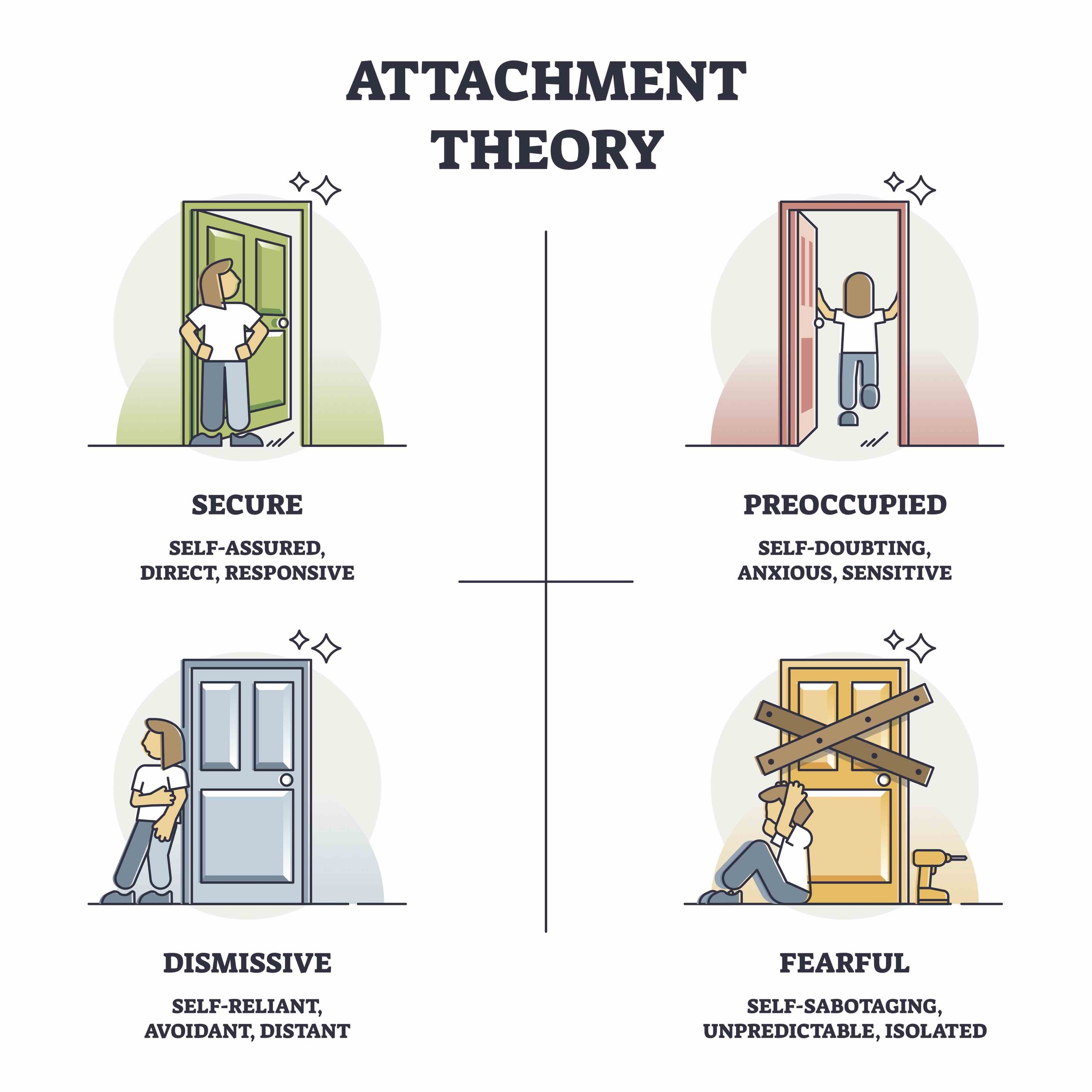
If you’re not familiar, attachment concept suggests that our early relationships with caregivers set the stage for a way we join with others later in life. People with APD often exhibit an avoidant attachment style, which means they’ve discovered to tug again at the first sign of dependency or closeness because, historically, getting too hooked up meant getting harm. They’re like emotional Houdinis, at all times looking for the closest escape route. To break away from these patterns, it is essential to gain consciousness of our avoidance behaviors and their underlying motivations. By acknowledging and accepting our discomfort, we can start to develop more healthy coping mechanisms and work towards personal progress.
Whether it’s listening to your favorite tunes, going for a stroll in nature, or just enjoying a sizzling cup of tea, the objective is to have interaction in activities that make your soul smile. These moments of pleasure not solely cut back stress but in addition strengthen your attachment to the positive aspects of life, making it simpler to navigate the ups and downs. Everyone dislikes being criticized, however for you, it’s a completely totally different ballgame. It’s not nearly disliking it; it looks like a direct attack in your very being. Conflict seems like an earthquake, shaking the foundation of your meticulously built partitions of safety.
Others may undertake avoidance behaviors after a traumatic expertise that has lasting effects on their mental and bodily health. These intense feelings of hysteria could be troublesome to deal with. It is frequent for a person to wish to avoid conditions, people, and even environments the place they count on nervousness to manifest. Yes, avoidance behaviors are a way for those experiencing anxiousness or panic dysfunction to try to management how they feel.
Once you turn out to be more used to it, facing your problems head-on won’t bring you as much anxiety. Some individuals discover that meditation helps them get into a place the place they can be “comfy with the uncomfortable.” When we try to suppose our means out of bad conditions to avoid getting hurt, we turn into engaged in making an attempt to think of an answer somewhat than appearing on one. If you avoid having the conversations which are necessary to resolve a battle within the early levels, it could snowball and convey higher ranges of stress to the relationship. In some instances, unresolved battle may even end a relationship. The stress only piles on it we had been finally unable to carry out the duty or job nicely as a result of we had not left ourselves sufficient time.
If drinking in social conditions eases your feelings of awkwardness or discomfort, you are extra doubtless to proceed consuming. If avoiding the party reduces your anxiety, you are more likely to avoid social interplay in different methods as well—such as not returning your friends’ calls, not answering these emailed invitations, and so forth. Yes, attachment kinds can change over time with consciousness, self-compassion, and intentional effort. Understanding one’s own needs, creating wholesome boundaries, and engaging in self-care are pivotal in reshaping attachment types in the direction of safer relationships. Chasing an avoidant associate can lead to emotional exhaustion, low self-esteem, and the event of unhealthy relationship patterns.
Signs include persistent social nervousness, difficulty maintaining relationships, or chronic avoidance of labor or social conditions. Frequent panic assaults or intense worry of judgment can also point out the necessity for professional intervention. And once more, that feels actually harsh to say, but I think generally avoidant companions can feel almost repulsed by their associate.
This can lead to a sense of hopelessness, an absence of motivation, and a common disengagement from life. Breaking a foul behavior could take far more time than starting a model new one. If you discover yourself ignoring problems until they turn out to be overwhelming, you may be working towards avoidant methods. To cease avoidance coping, you have to settle for that you use it and that it’s an issue. Avoidance coping decreases hardiness and makes it more difficult to practice healthy coping strategies. Losing hardiness means things that would not have been an enormous deal can turn out to be main stressors.
From recognizing our patterns to difficult our thoughts, from gradual publicity to mindfulness methods, we now have a toolkit to help us face our fears and reside life extra fully. Well, it might be anything from public talking (hello, sweaty palms and shaky voice!) to confronting a troublesome conversation with a loved one. Others would possibly find themselves procrastinating on essential duties or ghosting associates to keep away from social gatherings. The triggers are as unique as your grandma’s secret cookie recipe – everyone’s received their very own special mix. Group remedy offers peer help and opportunities to apply social skills. Support groups can present a way of community and shared experiences.
We are an adaptive species who’ve lived through plagues, wars, and famine, and but we have persevered. You are resilient too, and you have got the inner energy to face these painful emotions. Or when we do depart the home, our mind is so hypervigilant and on high alert we miss what’s happening around us. When we’re continually scanning our surroundings for any potential signal of hazard, this limits our opportunities for social interplay. We won’t ever be taught, more typically than not, we will not get harm. Or even when we do, we actually have the ability to cope and are resilient.
You can do that by utilizing the Eisenhower Matrix decision-making device, which determines what tasks deserve our instant motion, our long-term consideration, our delegation expertise, and so on. Because cortisol floods and activates ADHD brains to interact in an activity when the deadline quick approaches disaster ranges, it’s simple for people with ADHD to reside within the urgent and necessary quadrant. However, this quadrant is finest reserved for emergencies and crises. Therapy supplies structured methods like CBT and exposure remedy to progressively face fears and build coping expertise.
Physical touch provides a strong method to present care and construct intimacy. Start with small gestures like holding arms or a mild touch on the arm. Pay consideration to what they are saying and the way they are saying it, expecting non-verbal cues. You may need stopped reaching out for comfort and instead, turned inward. This commonly results in folks changing into very impartial each as a baby and later as an adult.
They function defense mechanisms, temporarily decreasing emotional discomfort. Avoidance is the lively and conscious effort to distance oneself from these challenges. An particular person might make a concerted effort to avoid social situations, tough ideas, and more. Setting strict schedules, developing listening and communication methods, validating their emotions, and being patient are all elements of efficient support. Identifying and overcoming avoidance conduct can be difficult.
Wading by way of the emotional jungle of love gets even trickier when your higher half decides to play a recreation of hide and seek with their feelings, all as a outcome of they have an avoidant attachment fashion. Ultimately, avoidant habits exists as a outcome of your teen is trying to deal with challenging feelings. To cease avoiding problems, they’ll want to search out different coping strategies. Avoidant attachments develop when our early caregivers consistently don’t meet our needs.
Don’t expect any quick fixes, however do think about how avoidance coping will make you feel later. Avoidance coping is a unfavorable coping technique that involves mental and behavioral actions to attenuate, deny and ignore stressful situations to avoid coping with the scenario. You might begin by sharing the “small” feelings where acceptable.
This kind of avoidance may contain external or inside actions to exchange distressing actions with more snug ones, similar to staying house and watching TV as a substitute of attending a social event. Ready to take that first step towards a life less hemmed in by avoidance? Remember, change actually is possible, and also you don’t have to go through it all by your self. If any of this resonates and you may be feeling a bit stuck, reaching out for professional help can make a world of difference. It’s fairly clear that whereas ducking out might feel like the simple choice in the warmth of the second, the long-term price ticket for persistent avoidance points can be pretty hefty.
However, understanding their behavior and figuring out how to respond may help you navigate this difficult state of affairs. In this article, we’ll explore methods to deal with an avoidant companion’s push-pull dynamic. We will talk about the importance of open communication, setting boundaries, and fostering personal progress. It’s important for teenagers to learn how to manage challenging feelings because dangerous coping mechanisms may cause extra stress and nervousness.
It additionally negatively affects one’s self-worth and reinforces the belief that love must be earned by way of hard work. Embarking on this journey of stopping the chase not only liberates you from a cycle of unfulfillment but additionally opens the door to healthier, extra fulfilling relationships. When you’re caught up within the pursuit of somebody with an avoidant attachment style, it’s straightforward to overlook the toll it’s taking over you. Before you go labeling each ex who didn’t textual content back as avoidant, it’s important to note that true avoidant conduct stems from deeper points. These people may need had experiences that taught them it’s not safe to depend on others. So, in a twist of irony, by making an attempt to guard themselves from getting damage, they end up being those doing the hurting.
Avoidant individuals have a strong want for personal identity and autonomy, and so they fear being consumed or shedding themselves in a relationship. This worry can make them create an emotional hole with a romantic companion as a way of self-preservation. To people with out an avoidant attachment fashion, avoidant deactivating methods may be obscure.
This may sound about as enjoyable as getting a root canal, however hear me out. Therapy provides a secure area to discover the roots of your attachment style and perceive why you’re drawn to those who maintain you at arm’s size. Studies have proven that people who have interaction in therapeutic conversations about their attachment patterns can make vital strides towards securing healthier relationships. The concern of abandonment is a pervasive factor inside avoidant attachment types that considerably impacts relationships. Avoidant folks often have an intense concern of being left alone or rejected. This worry arises from early attachment experiences that will have been inconsistent or unreliable.
Instead of working to resolve a problem, they simply don’t address it. Since emotions make up a large part of our lives and also you have been taught not to really feel, avoidance is something that needs to be carried out over and over again. It’s a solution that seems to work properly for you when you have an emotion you don’t know what to do with. If one thing scares you and also you avoid it, you no longer should face this scary factor. To get to the foundation of why some people turn into avoidant, we must talk about childhood emotional neglect. Childhood emotional neglect occurs when your dad and mom don’t respond sufficient to your emotional needs.
Instead, it’s about valuing your self sufficient to prioritize your happiness and self-growth. Once you’ve figured out your attachment type, it’s time to lay down some wholesome boundaries. Think of boundaries not as walls but as pointers that help steer your relationship in a path that’s healthy for each of you. These aren’t just about saying “no” to things you’re uncomfortable with but additionally about defining what you’re okay with and what you’re not. Chasing an avoidant doesn’t simply affect your relationship with them; it influences the way you view yourself and relationships in general. Recognizing the impact is the primary step in the path of breaking free from this cycle and moving in direction of safer attachments.
When you’re emotional, you would possibly really feel intense physical agitation. That agitation can be very uncomfortable, inflicting you to do no matter you presumably can to make the emotion go away. Even pleasant feelings can come with intense agitation and urges to act in ways that trigger problems. Learn how neurodiverse couples therapy builds communication, battle resolution, and relationship abilities to foster stronger, more supportive partnerships. Individuals with autism could interact in downside behaviors as a means to escape or avoid a task or setting. This can be particularly problematic at school and work applications the place there are excessive ranges of demands.
Antidepressants or anti-anxiety drugs can help manage the underlying anxiousness that always fuels avoidant habits. Of course, medicine ought to at all times be discussed with a professional healthcare professional. Cognitive-behavioral therapy (CBT) is a popular and effective therapy for avoidant conduct. CBT helps you determine and challenge the ideas and beliefs that gas your avoidance. It’s like having a private trainer in your mind, helping you reshape your thought patterns and behaviors. Long-term, the results of avoidant conduct can be profound.
They look for reassurance, frequent communication, and intimacy to ease their worry of being disconnected. If you’re the only one studying, rising, going to therapy, or attempting to communicate better, the relationship is imbalanced. Here are some steps that you could take to start to overcome Avoidance Behaviours.
More typically than not, confronting an issue or dealing with a stressor is the one method to successfully cut back the stress it causes. Reach out to us right now by calling us or scheduling a conversation at a time that works for you. Get the assist you to need from a therapist near you–a FREE service from Psychology Today. You jump at the alternative to do the dishes at a social gatherings so that you don’t have to interact with others. It’s okay to step outside of your consolation zone when addressing battle. Small exposures, problem-solving approaches, and steering whenever you need it may possibly all make an enormous distinction.